
Dear Parents and Carers
I wanted to write to you and pass on some updates regarding the Trust, but also make you aware of some of the new legislation we are managing in schools following the development of new Government policy - The Children’s Wellbeing and Schools Act 2026.
Firstly, we have now had four schools inspected under the new, more stringent Ofsted framework Rather unhelpfully for Parents and Carers, terminology being used by Ofsted in their grading has been changed. Schools now receive a scorecard that gives a number of gradings across different areas rather than a single word judgement. The new key benchmark for schools is to be graded as at least ‘Expected Standard’ within all areas. This is a slightly higher bar than the old ‘Good’ judgment, as schools must meet all the judgement criteria as part of a new ‘secure fit’ process. On the previous framework, inspectors could apply a ‘best fit’ approach, where schools broadly met the grading criteria. The good news is, all of our schools inspected so far have been graded ‘Expected Standard’ at least, with many areas across schools being graded ‘Strong Standard’ (the next grade up). Reports will soon be available for all the schools recently inspected and I know Parents/Carers will be deeply impressed by what has been written about these schools. Well done to the pupils and staff involved.
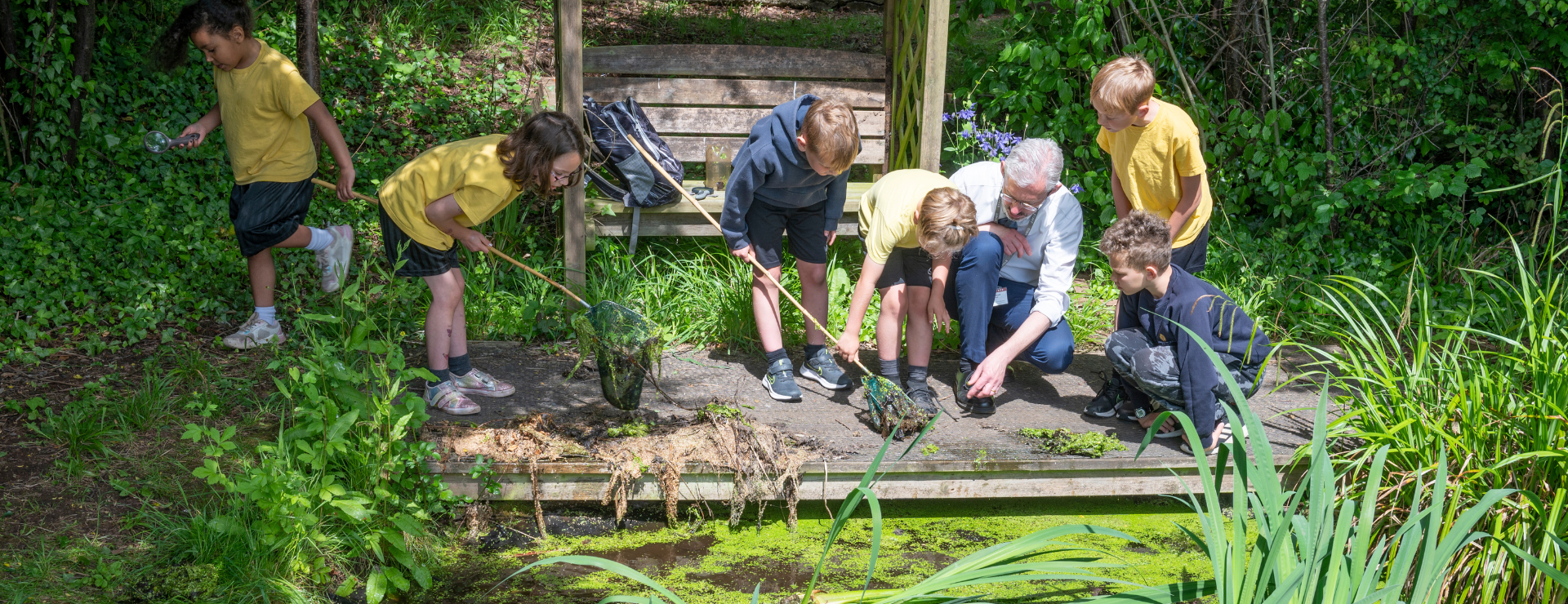
There have been many other fantastic news stories across the Trust. High Littleton Primary for example, has been given a platinum award for the Opal Play scheme. This is the third consecutive occasion the school has been graded at this level and this places it in the top 15 schools nationally. Opal Play is a programme focused on supporting primary aged pupils to be focused on proper (some might say old fashioned) play – building dens, using equipment to make assault courses and so on. This encourages team work, better verbal communication, problem-solving and being outdoors. Almost all MNSP First and Primary schools use Opal Play, in line with our vision as a Trust to ensure we have outdoor learning at the forefront of education in our schools. Many people under-estimate the importance of structured play with practical equipment and how this develops key muscles, which support better resilience in writing for example.
We can also congratulate the following schools for receiving a letter of commendation from the Secretary of State for Education for their outcomes last year. In total, 7 schools were highlighted by Central Government for exceptional Key Stage 2 outcomes or GCSE results for pupils from less-well off families:
Beechen Cliff School
Longvernal Primary School
Midsomer Norton Primary School
Norton Hill School
St Dunstan’s School
St John’s Primary School
Westfield Primary School
In other news, you will probably be aware of legislative changes coming into force in schools in England this September. There are quite a few developments afoot and further very significant changes further down the line affecting the curriculum and how children with special education needs are supported. In the most recent set of legislative changes, food that can be served in schools is being altered again, coming into force in 2026 in primary schools and 2027 in secondary schools. Kitchens will have to limit deep-fried foods to once per week and we will no longer be able to sell puddings (apart from fruit) – much to my dismay! Menus will follow in due course once we have confirmed the full impact of the new standards expected.
However, perhaps the most significant change for schools which will likely come into force this September, is the banning of mobile phones during the school day. It will no longer be sufficient for schools to say that they expect children to have their phones simply switched off and in their bags.
In our first, primary and special schools, mobile phones are collected in by staff and stored securely in school. This will remain the case going forward and meets the requirements of the new law. In our middle and secondary schools however, this is not a practical solution, as children move around the school during the day according to their timetable. In fact, in a couple of schools, children even move sites. Additionally, the numbers of phones which would need to be collected in, would be quite considerable and likely impractical to store during the day. Therefore, we have two possible ways forward to ensure MNSP Trust schools comply with this legal change. The first is for children to simply leave their phones at home. Of course, in the modern world this is not practical or desirable for the vast majority. Rightly, parents and children want to be able to make contact with one another before and after school to ensure safety, or to simply pass messages. Children also use their phones (as do we as adults) for payments and all sorts of other applications. As a result of the new law and the need for most children to have access to their phones before and after school, I have decided, following some initial consultation feedback from certain schools in the Trust, that all of our middle and secondary schools will introduce lockable phone pouches.
Some Parents and Carers will be aware of the lockable pouches already. Phones are slipped inside a lockable pouch and once in and locked, they can only then be opened with a specialist release tool. These release tools will be placed at various points around schools and of course, staff will have handheld ones too. In the very small numbers of cases where there is a genuine, certified health condition which requires access to technology of this nature (e.g. monitoring of blood sugar levels for pupils with diabetes), exceptions can be made. In these situations pupils will be issued a non-lockable pouch. Pupils will keep their pouched phone with them in their bag throughout the school day.
Naturally, there is a cost to the pouches. However, as a large Trust, we have been able to buy in bulk (13,000 pouches) and therefore reduce the per-unit cost by about 20%. Going forward, a lockable phone pouch will become part of schools’ essential kit list, but I felt it was unfair to ask Parents and Carers to pay for the phone pouches initially, given that this recent decree by the Government has only just been finalised. Therefore, I have decided that the Trust and schools will use some of their other sources of income – from lettings for example, to fund the initial roll out of pouches during 2026-27. However, to try and reduce the impact financially on the Trust and schools, we will be inviting Parents / Carers to make a voluntary contribution towards the cost of their child’s phone pouch. Parents/Carers will be able to make a contribution for the phone pouch via Arbor Pay. Replacements will also be available to purchase on Arbor Pay.
If pouches are lost or broken then they will require replacement, or pupils will need to leave their phone at home. Replacement pouches will be sold at full cost (likely to be around £18).
I hope that parents will support us in this endeavour to reduce the impact of phones in school and on learning.
Pupils in sixth form are exempt from this change in the law and they will not be required to use a phone pouch. In order to promote responsible use of mobile phones and to set a good example to younger pupils, sixth formers will only be allowed to use their phones within Sixth Form designated areas.
As I have said, I am hopeful that Parents/Carers will be supportive of reducing access to phones in the school day. Whilst phones are not regularly seen in our schools generally, we know of course how resourceful some pupils are in hiding their messaging and social media posting. Early adopters of the pouches in schools across the South West, have reported that pupils have really felt a sense of relief at not having to constantly check their phone for updates from friends. Of course, some pupils may try to get around the pouches, maybe by having more than one phone, or pretending to put it in a pouch, etc. For the very small minority of pupils who try to get around this new approach to mobile phone use, the usual sanctions will apply.
I’m aware that you may have questions about this change in policy. Included at the end of this letter is a frequently asked questions (FAQs) document. If you have any other questions, please contact your child’s school in the first instance.
In due course, we will update the relevant policies associated with mobile phones in schools. These will be available in September 2026 for the new academic year. Thank you for your support as we implement this new Government policy. As always, I am happy to receive feedback and any other thoughts on this significant change.
Another area where there has been a change in Government policy is in response to ‘Benedict’s Law’. This new law enhances requirements on schools in terms of how they support children with allergies and other significant medical conditions. MNSP Trust already has robust arrangements in place to support children with medical conditions and schools work with families to put in place Individual Healthcare Plans for those children who need additional support in school to manage their medical needs. In addition to this, from September 2026, all schools will hold Adrenaline Auto-Injector devices (also known as AAIs, or by the brand name ‘EpiPen’) and staff will receive regular training in how to recognise and treat life-threatening allergic reactions (anaphylaxis). We are currently updating our medical conditions policy and will be fully compliant with the new regulations by September.
As always, I do appreciate your support with these changes to school policies and processes across the Trust.
Best Wishes

Alun Williams - CEO
FAQ Mobile Phones
In first, primary and special schools, if you would like your child to bring a phone to school, they must hand in their phone to staff at the start of the school day and collect it at the end of the day.
Pupils in sixth form are exempt from this change in the law and they will not be required to use a phone pouch. In order to promote responsible use of mobile phones, and to set a good example to younger pupils, sixth formers will only be allowed to use their phones within Sixth Form designated areas.
The FAQs below relate to middle and secondary schools (up to year 11).
Will my child be able to bring their phone to school?
If you would like your child to bring a phone to school, they must use a lockable pouch to store their phone during the school day.
For pupils that do not own phones, or for those that wish to leave the phone at home every day, Parents / Carers may request for their child to be exempt from having a phone pouch. We will expect those Parents / Carers to commit to their child not bringing their phone to school without exception.
If my child owns a non-Smart phone, will they still need a pouch?
If your child will have any type of phone in school, they must still use a lockable pouch. This is for two main reasons. Firstly, any phone poses a temptation for students to be in constant contact with others and can result in distraction. Secondly, many non-smart phones look similar to smart phones which could make it difficult for staff to differentiate between them and create an opportunity for students to circumvent our policy.
Will I need to purchase a lockable pouch?
During the initial roll out, schools will provide pupils with a pouch without a charge, but will invite Parents / Carers to make a voluntary contribution towards the cost of the pouch. Going forwards, a lockable phone pouch will become part of the essential equipment list for school, which Parents / Carers will need to fund.
If pouches are lost or broken then they will require replacement, or pupils will need to leave their phone at home. Replacement pouches will be sold at full cost (likely to be around £18).
Until a new pouch has been purchased pupils will need to leave their phone at home.
How will things work day to day?
Schools within the Trust will determine procedures that work for their sites and context. In general, when pupils enter their school site in the mornings, they will be required to turn off their phone, place it in their pouch and lock it. Pupils will keep their pouched phone in their bag throughout the day and will be able to unlock their pouch at the end of each day using devices located at key points in their school.
My child uses their phone to organise themselves during the school day. How will they be able to look up their timetable, take photographs of their work and see what homework they have?
Before the current prevalence of mobile phones, schools had efficient systems in place for pupils to check their timetables, hear about room changes and other practical information. Schools will put in place alternative systems and ensure pupils know about any changes in good time.
How will you deal with pupils who have a phone out in school or refuse to surrender their phone?
Pupils will be responsible for pouching their phone every morning and checks will be performed during tutor time. Any pupil found at any point on a school site with a phone that is not in a lockable pouch, will have the phone confiscated.
For repeated instances or where a pupil is found to be using multiple phones or refuses to surrender their phone, further sanctions may be applied, in line with their school’s behaviour policy.
Will my child be able to access their phone for medical needs?
In the very small numbers of cases where there is a genuine certified health condition which requires access to technology of this nature, exceptions can be made. In these situations pupils will be issued a non-lockable pouch.
I use my child’s phone to track their location to make sure I know where they are. How will I be able to do this now?
The only time you will not be able to track your child’s location is when their phone is in the lockable pouch, when they are at school and there is no need to track their location.
How will I be able to pass on an urgent/important message for my child?
You should contact your child’s school via their main reception / school office, who can arrange to pass on urgent messages that cannot wait until the end of the school day. Pupils will be able to turn on their phones and check for messages as they leave school, so they can receive any non-urgent messages you might have sent to them at that point.
What if my child needs to leave school early?
Schools will ensure pupils can unlock their pouch as they leave school, usually in the school reception area.
What will happen if I do not agree with this new rule and the use of lockable pouches?
The Government is making it law that children must not access phones during the school day, including during break and lunchtimes. If you do not wish for your child to have a lockable phone pouch, they must leave their phone at home. If pupils have a phone in school and not in a lockable pouch, it will be confiscated.
How will this be rolled out ready for the new year?
Your child’s school will communicate with you directly about the roll out of this policy about how and when they will distribute pouches. Pupils will be shown the pouches in assemblies before the end of the academic year, so that they understand why there has been a change and what they will need to do.